The rainy season is the season of forest and streams, and also the one that needs the most flexible plan. Phu Quoc from May to October is not one all-day downpour: most days still have dry spells. What matters is knowing what the rain affects and arranging the trip around it.
How heavy the rainy season really is
By 2015 to 2025 climate data at Rivora's location, each month from May to October brings 234 to 343 mm of rain and 28% to 43% of days with heavy rain (10 mm or more). The peak is September: 343 mm and 43% of days. Which means even in the wettest month, more than half of days have no heavy rain.
Temperatures stay steady: about 28.5 to 30.5°C by day and 24.5 to 26°C at night. You do not need a jumper, just a rain jacket. The full table is in Phu Quoc weather month by month.

What is really affected
- Island tours and sea activities. Speedboat tours to the southern islands and snorkelling are usually advised only in the dry season and can be cancelled under rough-sea warnings. Before booking, ask clearly about refunds or rescheduling if a tour is cancelled.
- Sunsets and outdoor shows. The view depends on the sky, and outdoor shows can be postponed in bad weather.
- Roads and paths. Heavy rain makes forest paths and stone steps slippery. If you rent a motorbike, slow down and avoid riding in heavy rain.
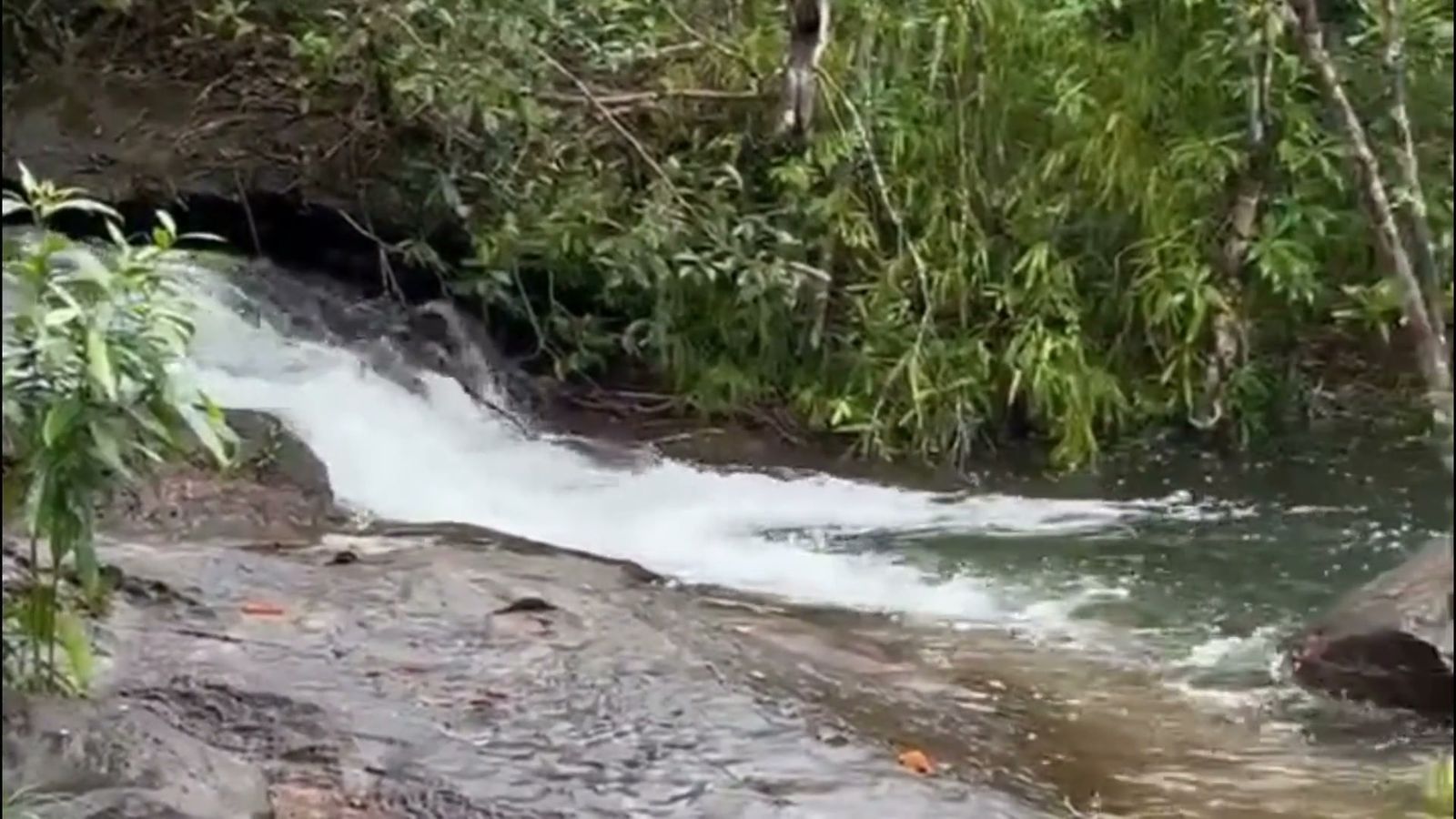
- Streams and waterfalls. Rain brings more water and more beauty, but also more danger. The safety section below matters.
What the rainy season does better
- Streams and waterfalls with water. According to travel articles, Suoi Tranh and Da Ban stream are at their best from about May to November.
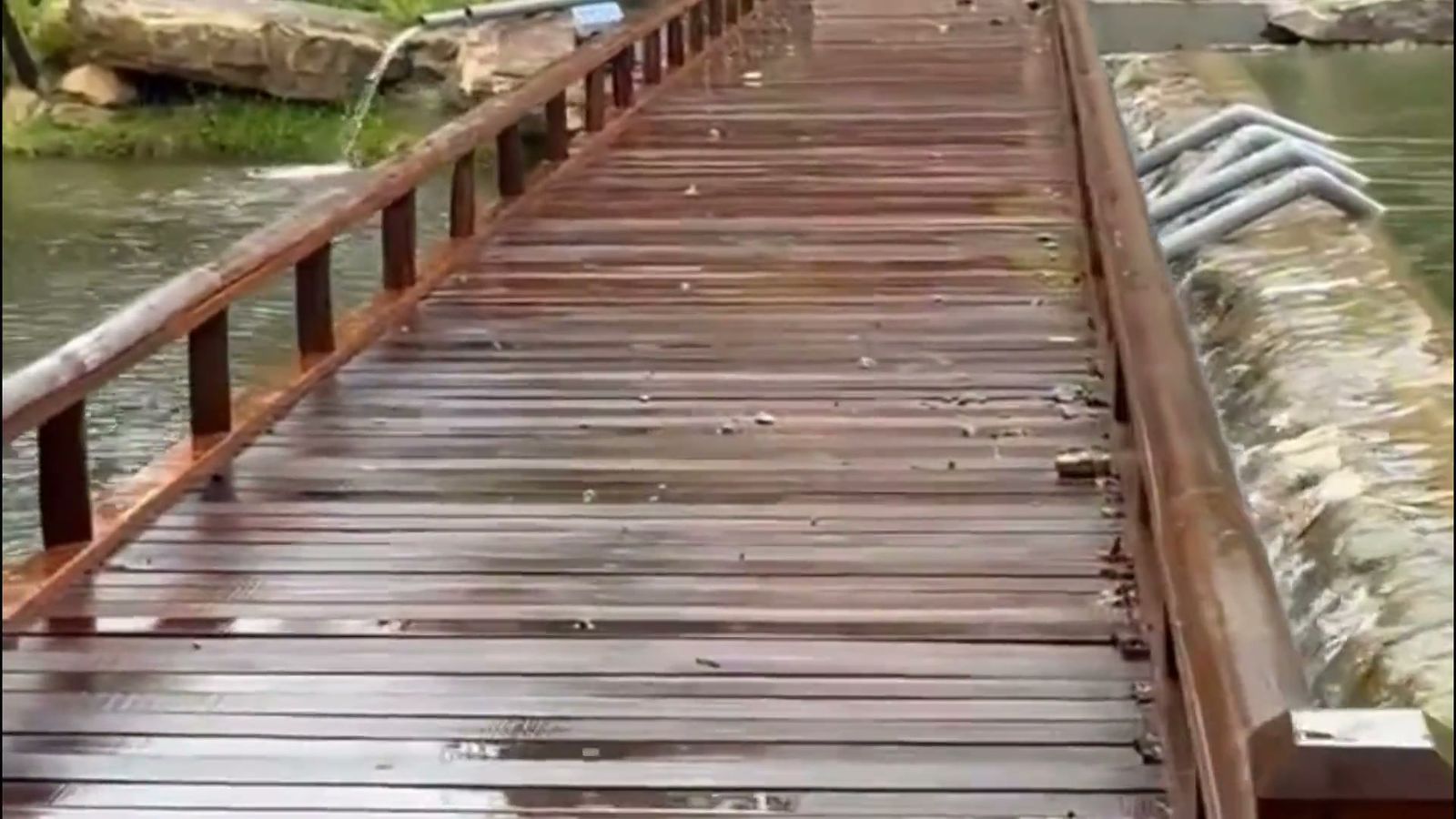
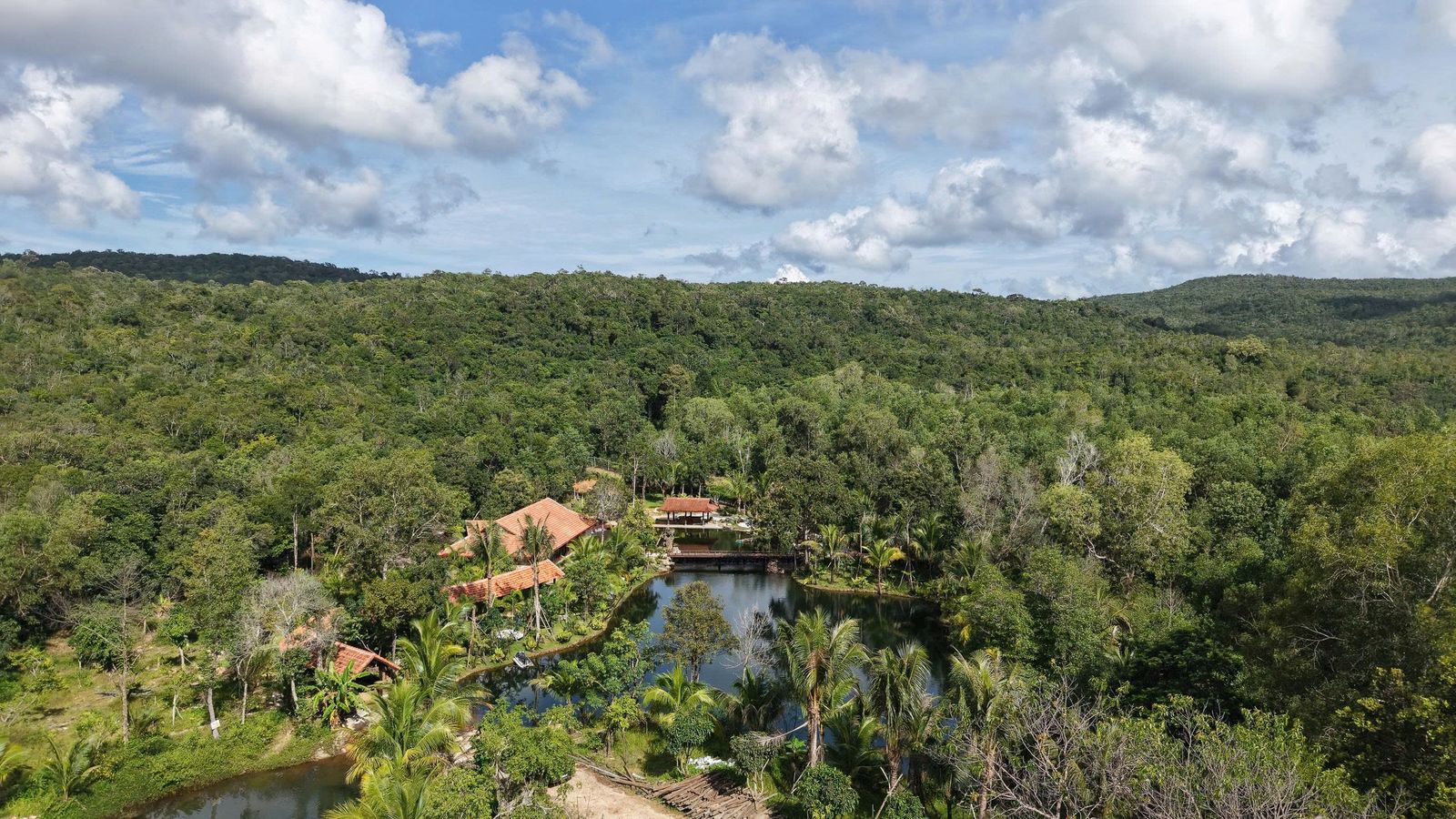
- Greener forest and cooler air. After each rain the forest turns a deeper green and the lakes lie flat as mirrors.
- Fewer visitors at many places, so beaches and fishing villages are often less crowded.
A rainy day in Phu Quoc: a way to arrange it
A simple rule: keep mornings for the outdoors and afternoons for indoor plans.
- Morning: a walk in the forest, a visit to a stream, or Duong Dong market (the traditional market is liveliest in the morning).
- Midday and afternoon when it rains: the fish sauce barrel houses, a pearl farm, or a sim-wine house are indoor visits; or rest at a cafe, or in an independent massage place in Duong Dong or Long Beach.
- Evening: Dinh Cau night market (about 10 km from Rivora, 14 minutes by road) if it is dry, or a slow dinner.
Visiting streams in the rainy season: rules not to skip
- Go in the morning and leave the stream area before dark. One travel guide advises leaving before 17:30.
- Do not swim where the water runs fast or near the edge of a fall, especially in heavy rain when levels rise quickly.
- Mossy rocks are very slippery. Wear shoes or sandals with good grip and do not climb high rocks alone.
- If heavy rain or strong wind arrives, stop and move away from the water. At deeper forest streams, go in a group or with a local guide.
- With small children, watch closely and always stay near.
Rivora does not yet have official information on life buoys, lifeguards or swimming rules around the stream. If you are planning with small children or older relatives, call the hotline on 0989 748 048 for guidance before you come.
Staying in the forest in the rainy season
For many people the rainy season is the reason to choose a forest stay rather than the coast. When the sea is not the goal, you lose nothing: you have a wooden terrace to sit and listen to the rain, a fuller stream to watch, and a pace of life that slows naturally. Rivora is inland in Cua Duong, beside Da Ban stream; check-in is from 14:00 and check-out at 12:00. If you would like a quiet stay in the low-crowd season, you can send a request on the booking page.
In short: should you go?
Yes, if you want green forest, full streams and a quieter island, and accept a flexible plan. The rainy season is not the right choice if your main goal is island tours, diving or a settled sunny beach holiday; in that case see when to visit Phu Quoc.